
Some questions can start with a single card.
Explore the symbolism behind all 78 tarot cards. Draw a spread, learn how the layouts work, and use traditional readings to find a new angle on whatever you are sitting with.
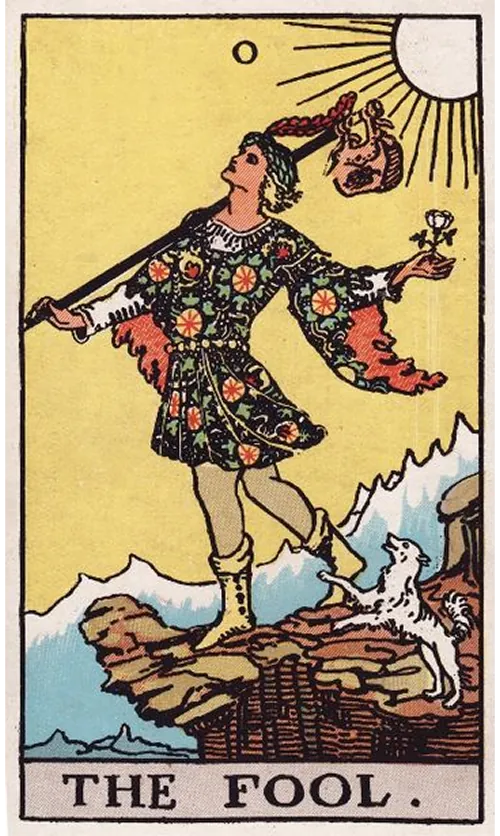
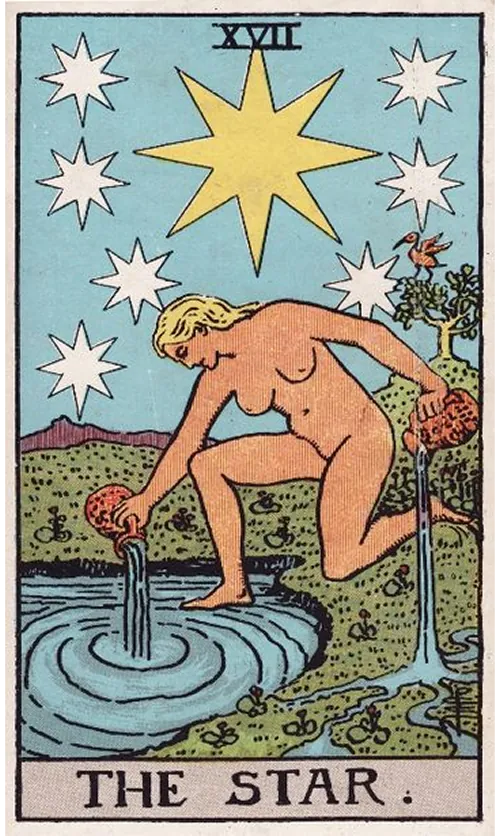
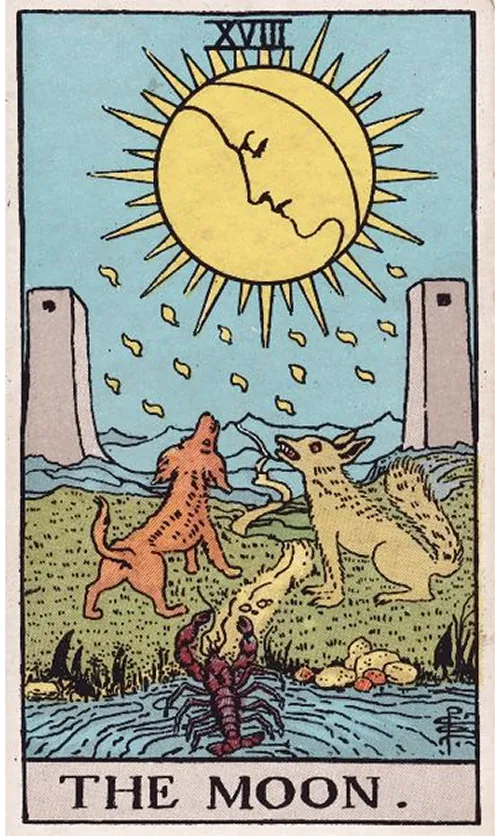
One complete tarot reading
Start from your question, pick a spread, draw the cards, then read them one layer at a time. Everything runs in the browser: nothing is saved, and nothing needs an account.
What would you like to get clearer on today?
A tarot reading usually begins with a question. Pick a topic, or write your own.
The question only shapes how this reading is organised. It is not uploaded and not recorded anywhere.
Choose your spread
Different questions suit different layouts. The positions decide which direction a card should be read in.
Your spread
Pick a spread above and its positions will appear here.
- 01
Read the card on its own
Its image, symbols, and traditional meanings. Ignore your question for now and read the card as a single word.
- 02
Then look at where it landed
The same card means different things in "challenge" and in "advice". The position decides which half of your question this card is answering.
- 03
Put it back into your question
Join the card's keywords to your question in one sentence, then ask: which part of this does it describe?
- 04
Read card against card
Do two cards disagree, repeat each other, or push the same theme forward? Contradiction usually carries more information than agreement.
If you drew more than one
Put adjacent positions side by side: are they saying the same thing, or pulling against each other? Then reread the question you wrote and see whether the wording has changed. That change is part of the reading too.
Meet every tarot card
From the 22 major arcana to the 56 minor arcana, look through each card's symbols, meanings, and ways of being read. Open any card for its full entry.
All 78 cards in one row.
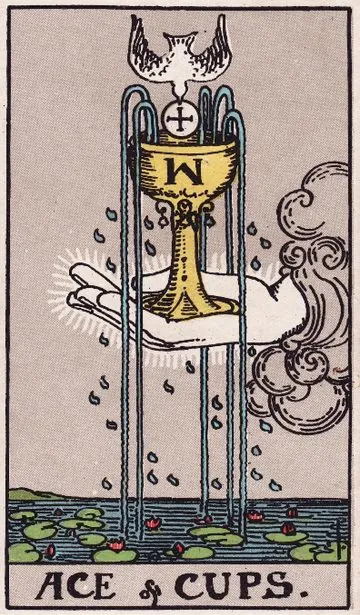 Ace of Cups
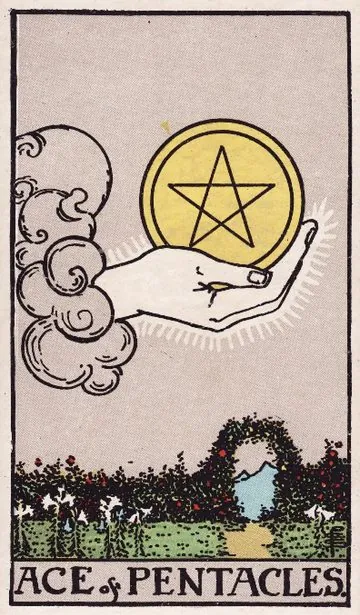 Ace of Pentacles
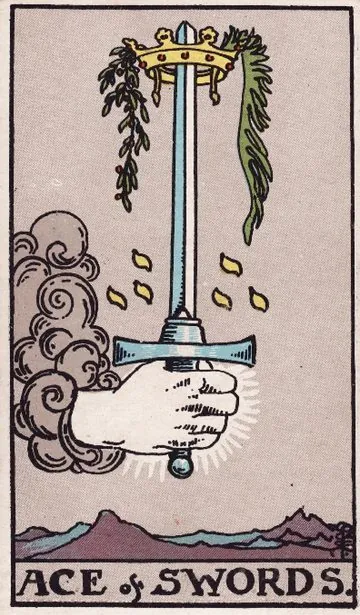 Ace of Swords
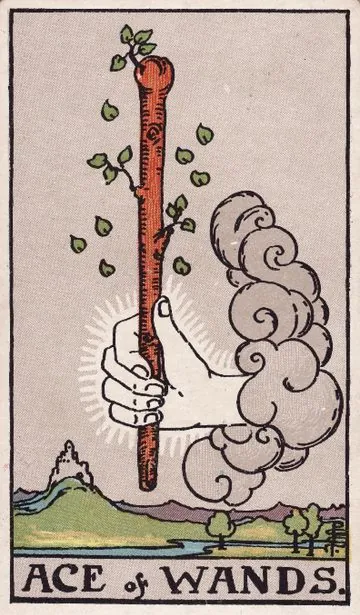 Ace of Wands
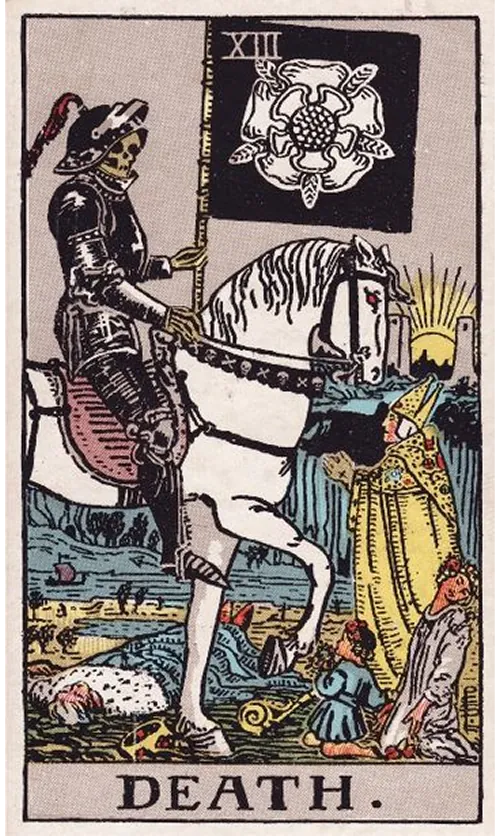 Death
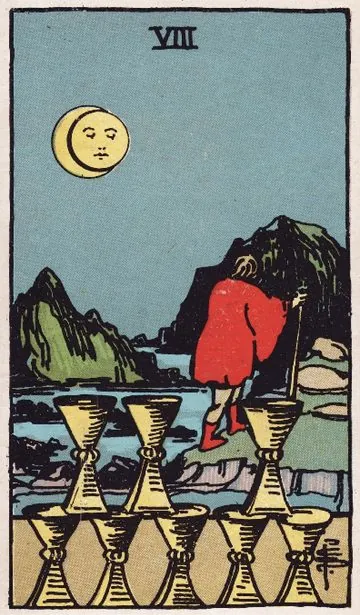 Eight of Cups
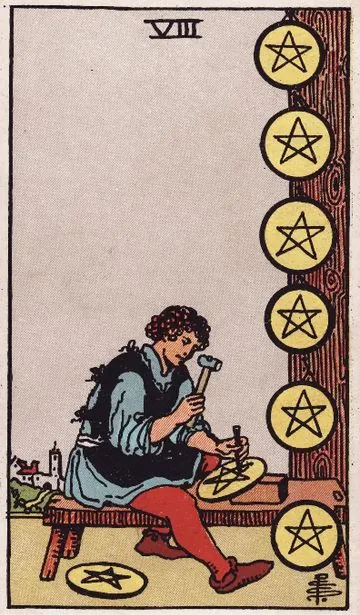 Eight of Pentacles
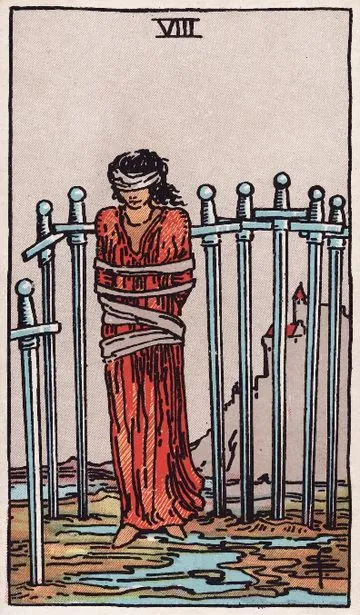 Eight of Swords
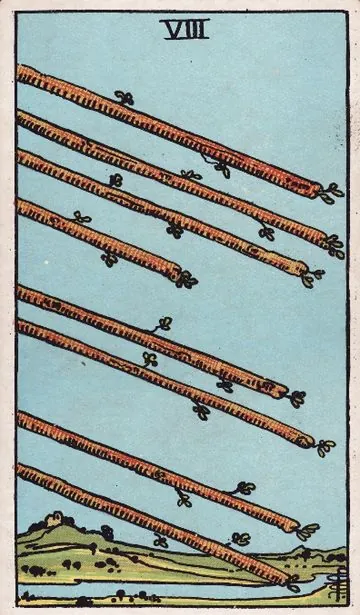 Eight of Wands
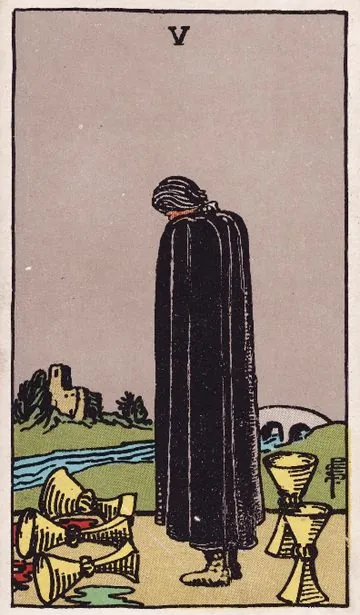 Five of Cups
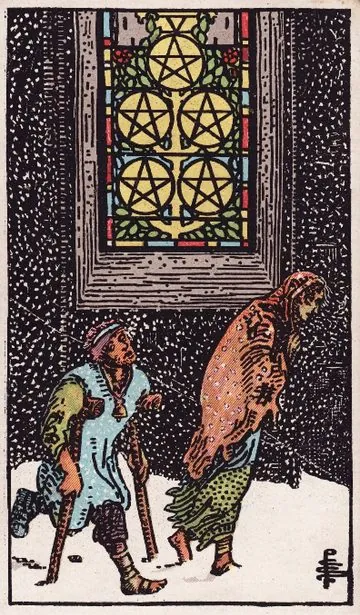 Five of Pentacles
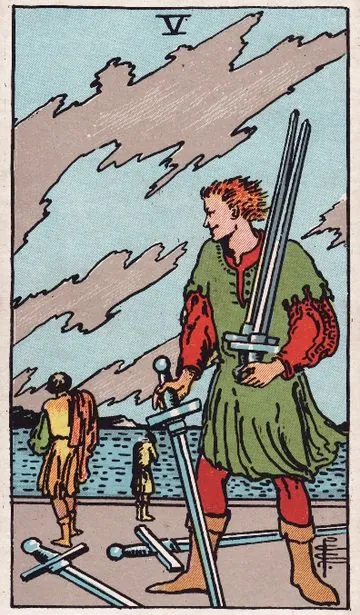 Five of Swords
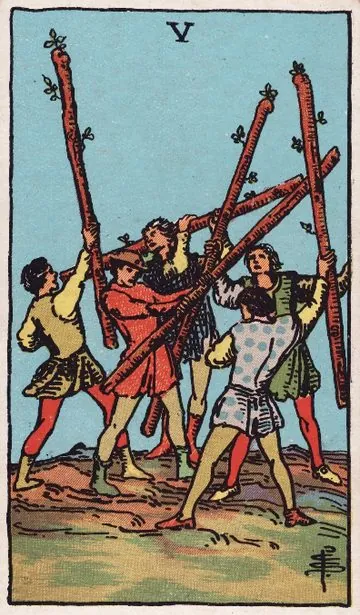 Five of Wands
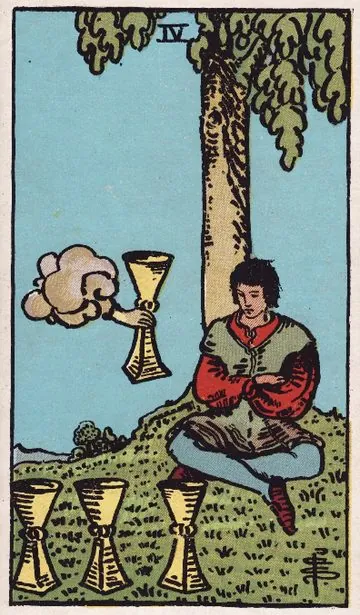 Four of Cups
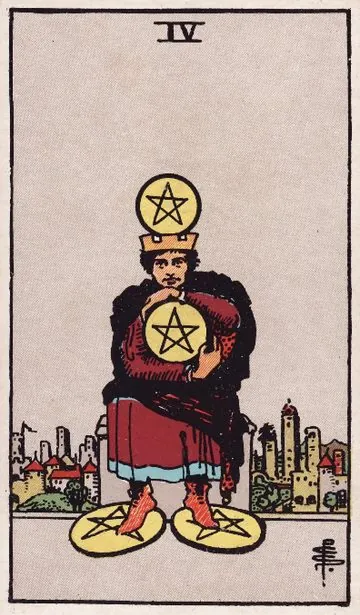 Four of Pentacles
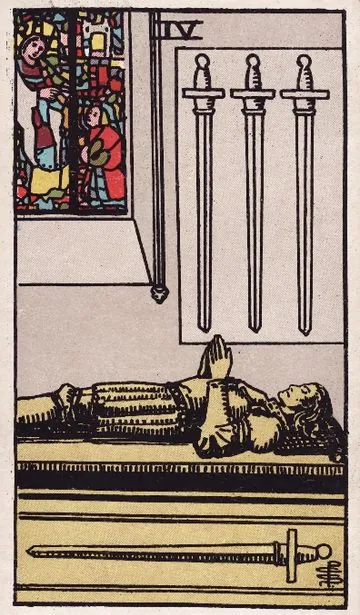 Four of Swords
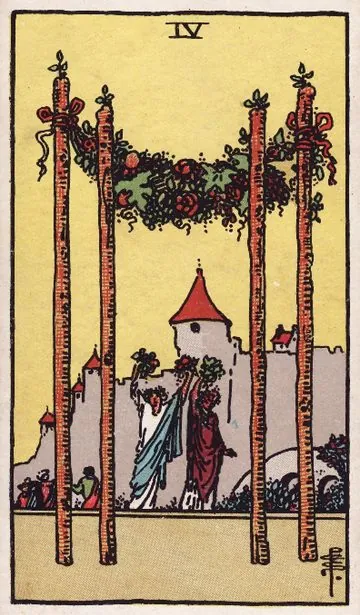 Four of Wands
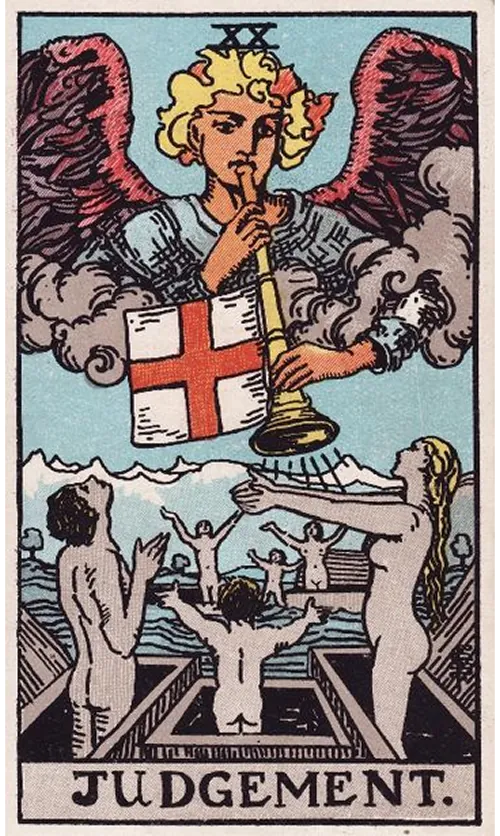 Judgement
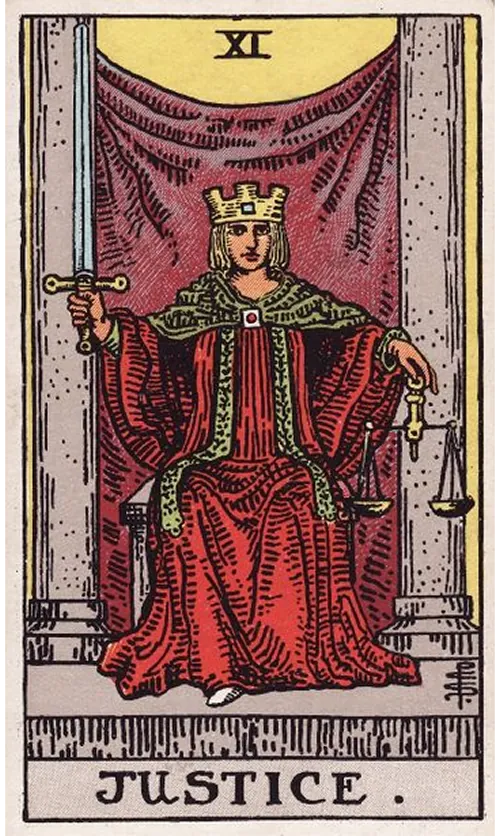 Justice
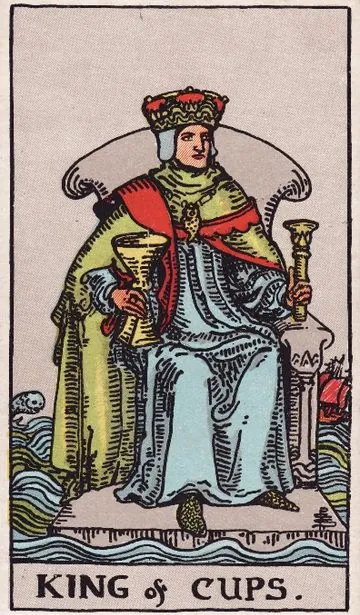 King of Cups
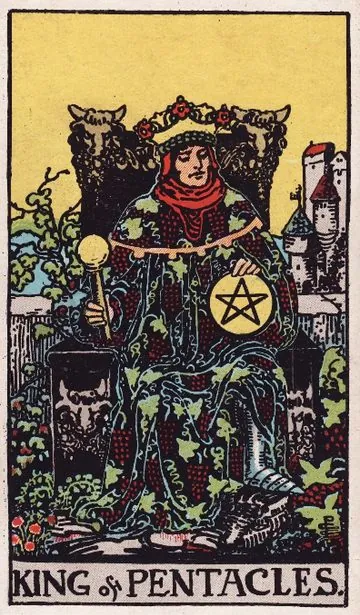 King of Pentacles
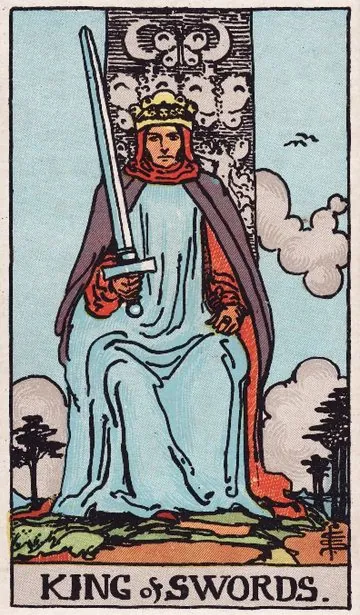 King of Swords
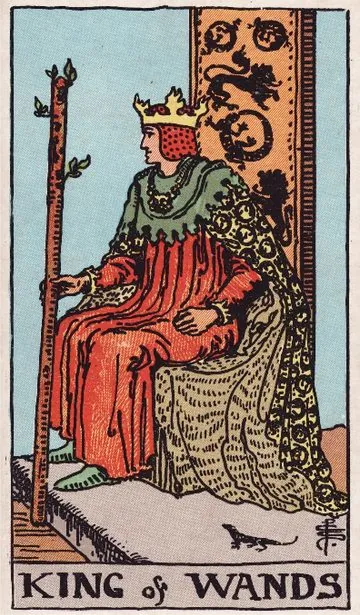 King of Wands
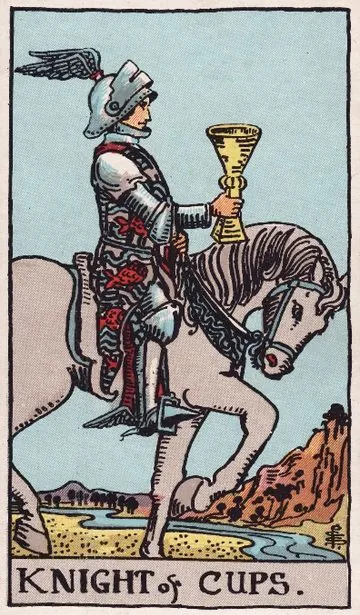 Knight of Cups
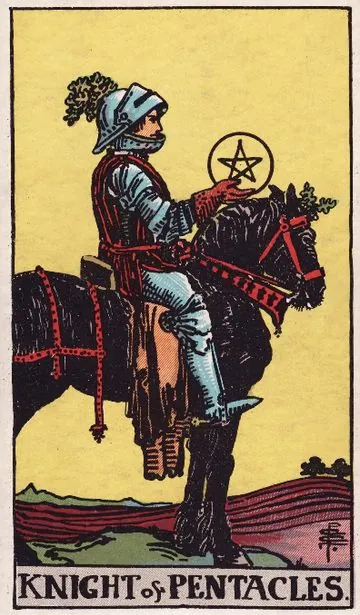 Knight of Pentacles
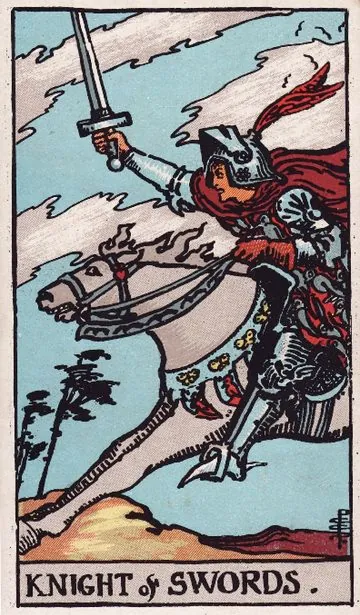 Knight of Swords
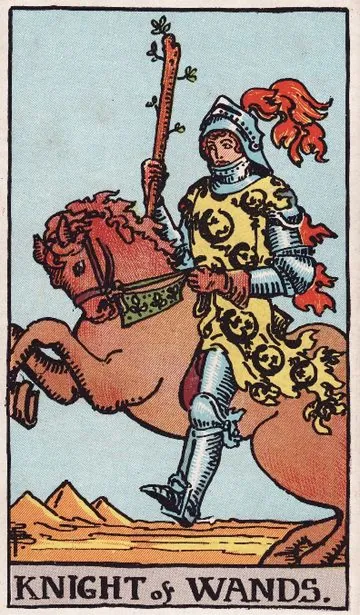 Knight of Wands
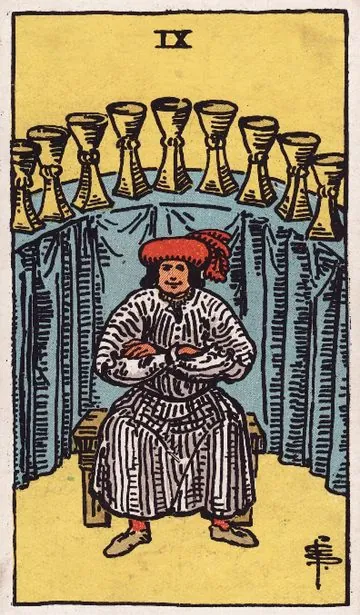 Nine of Cups
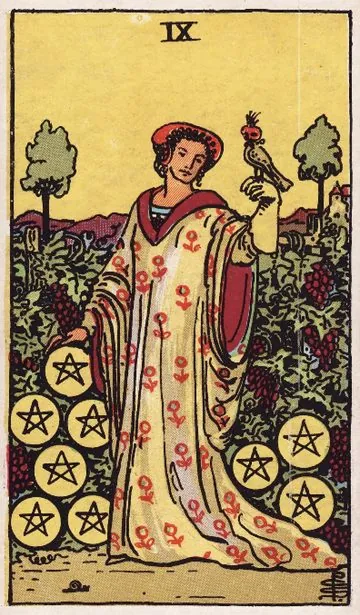 Nine of Pentacles
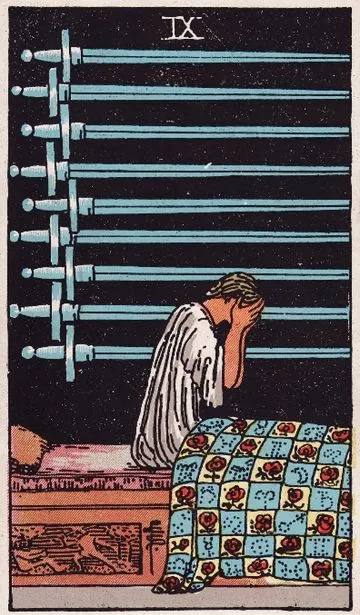 Nine of Swords
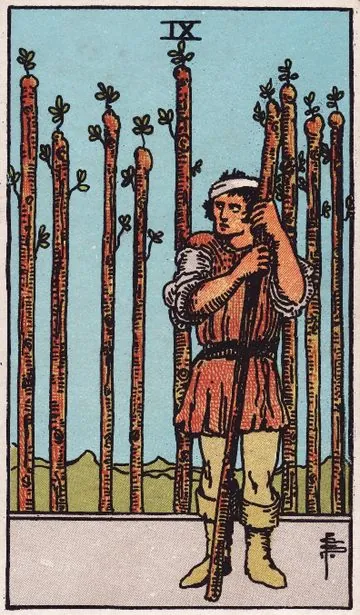 Nine of Wands
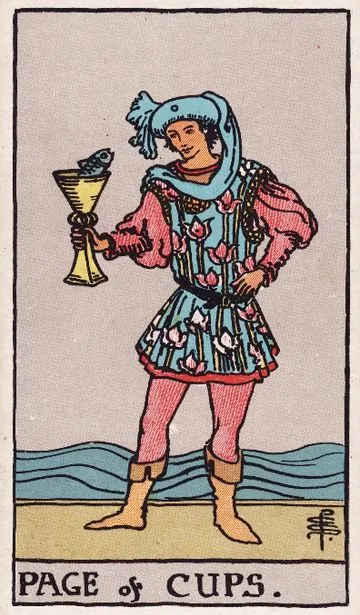 Page of Cups
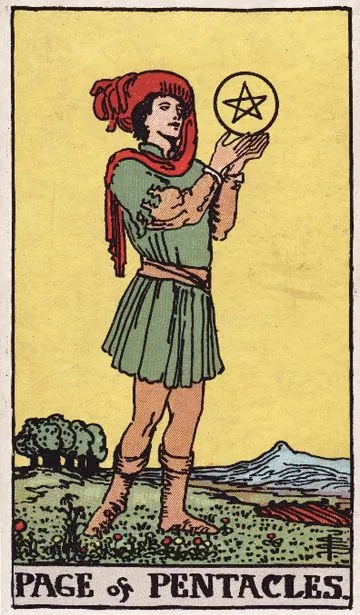 Page of Pentacles
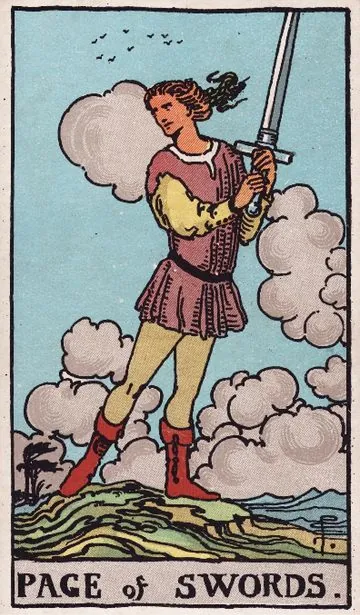 Page of Swords
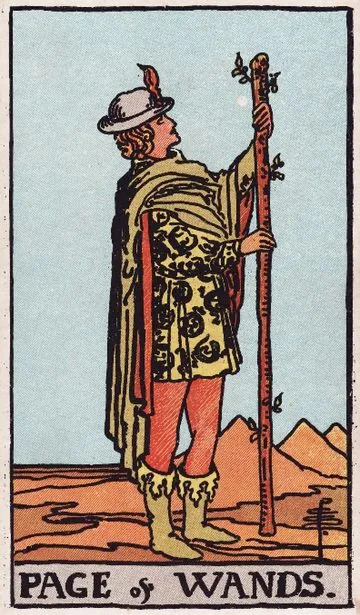 Page of Wands
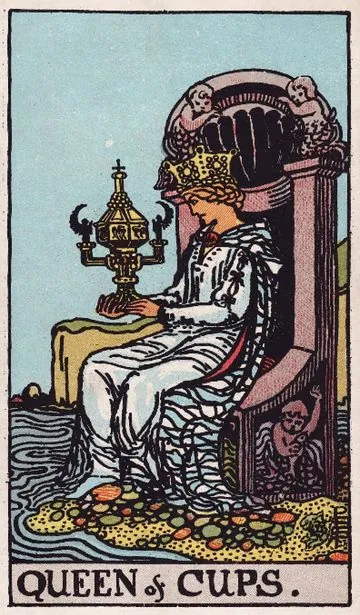 Queen of Cups
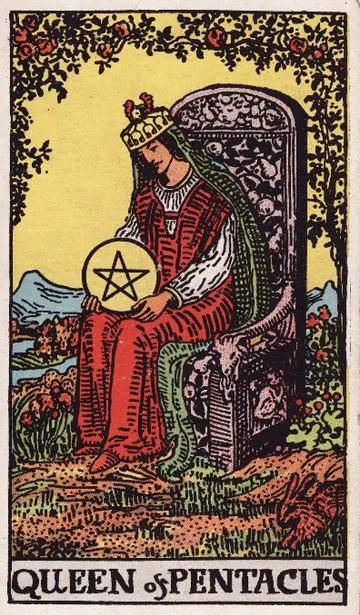 Queen of Pentacles
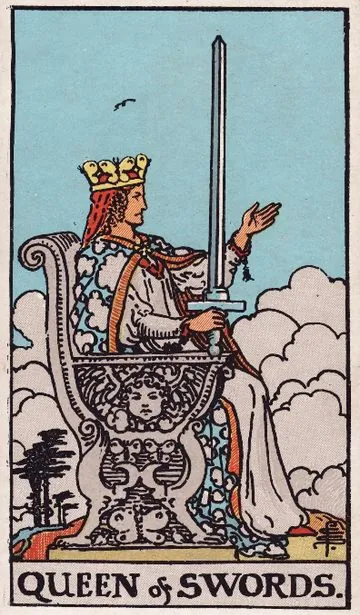 Queen of Swords
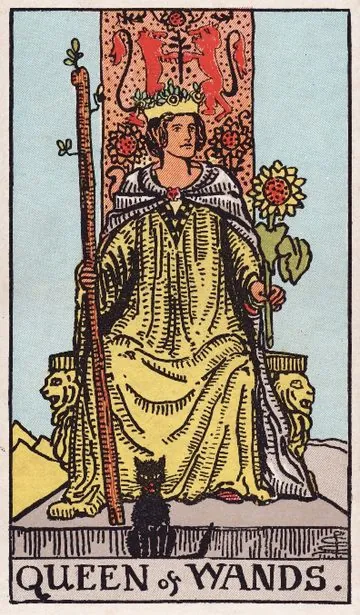 Queen of Wands
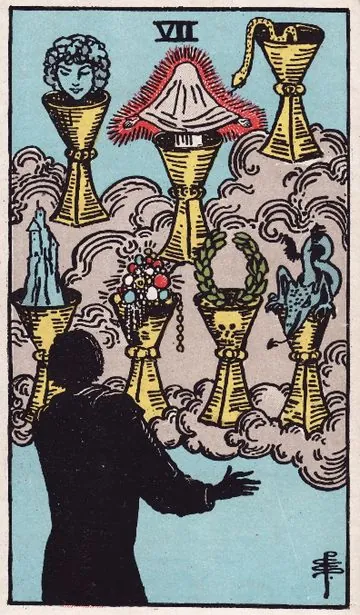 Seven of Cups
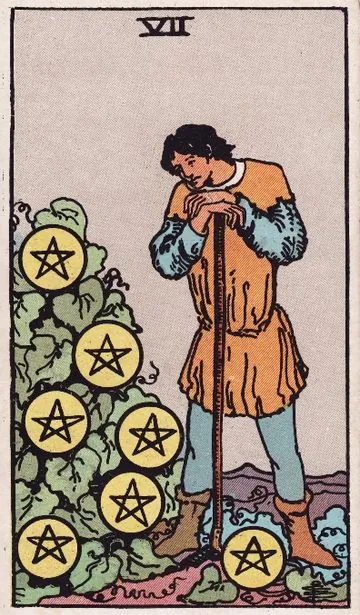 Seven of Pentacles
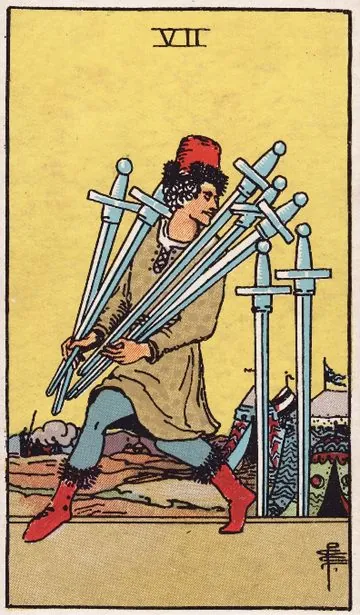 Seven of Swords
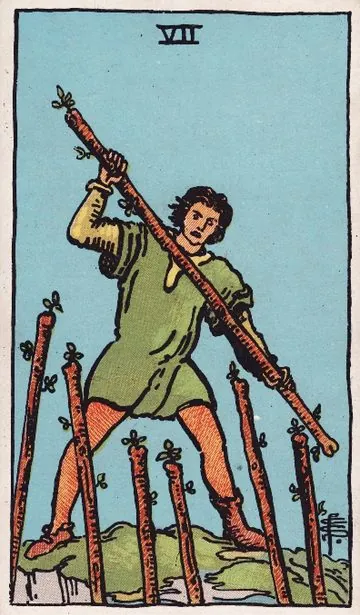 Seven of Wands
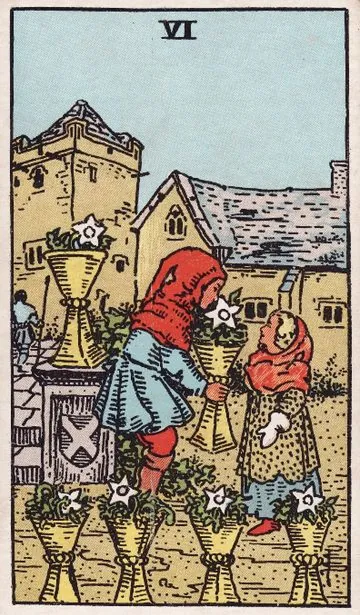 Six of Cups
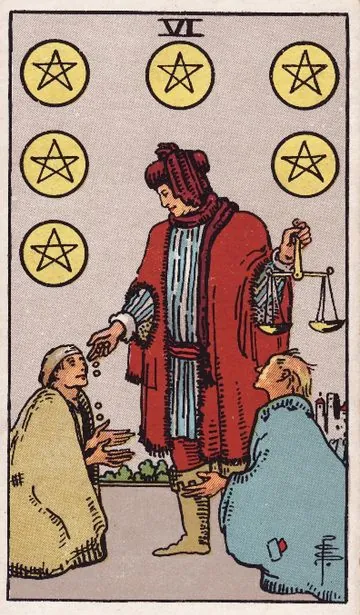 Six of Pentacles
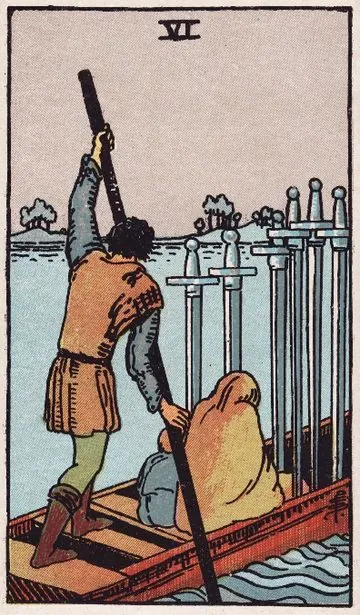 Six of Swords
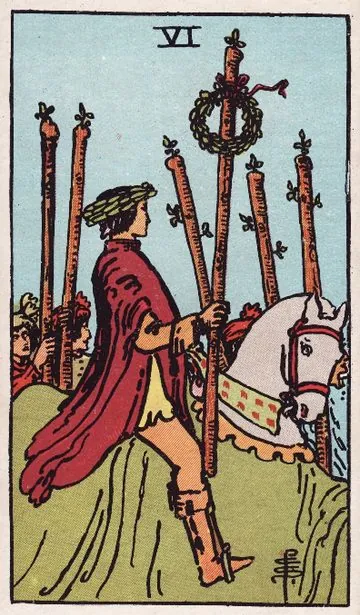 Six of Wands
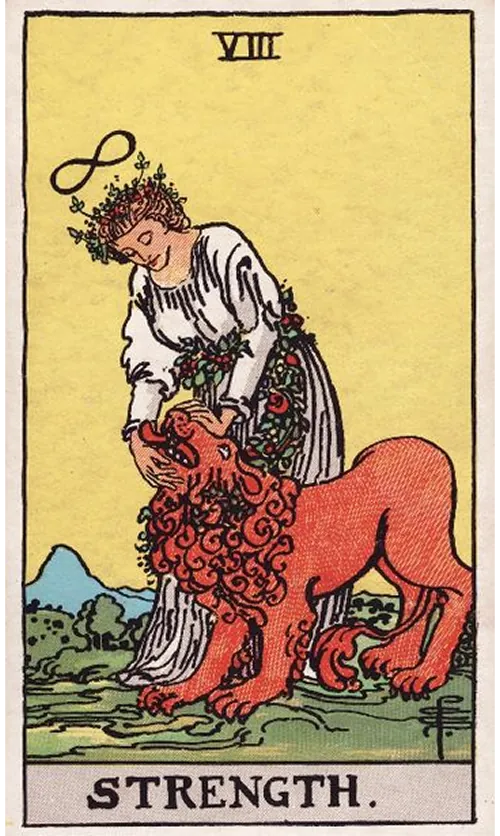 Strength
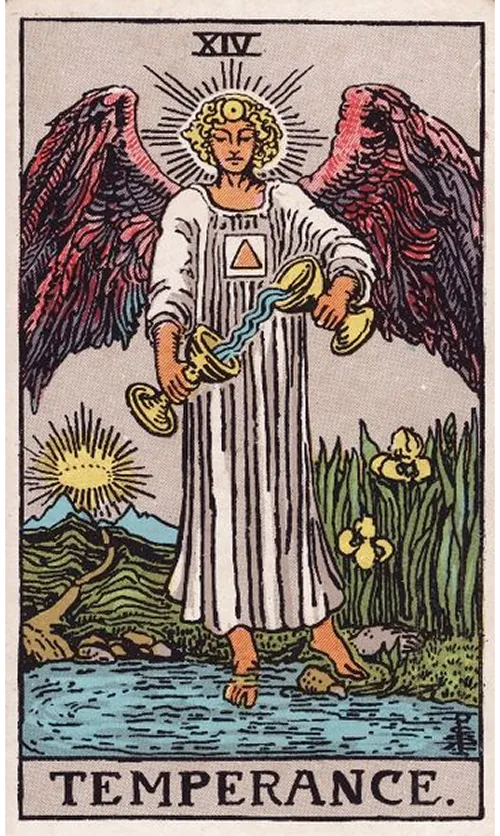 Temperance
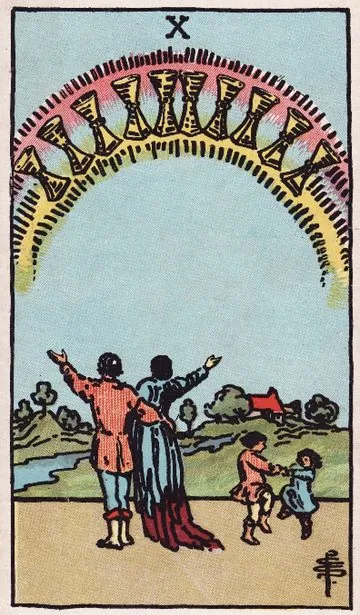 Ten of Cups
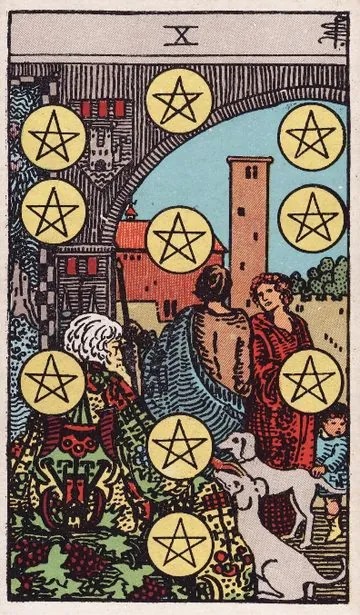 Ten of Pentacles
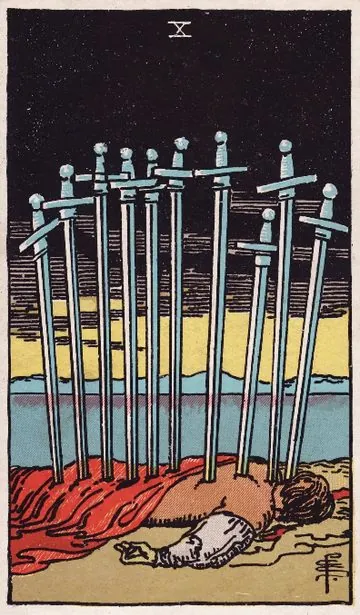 Ten of Swords
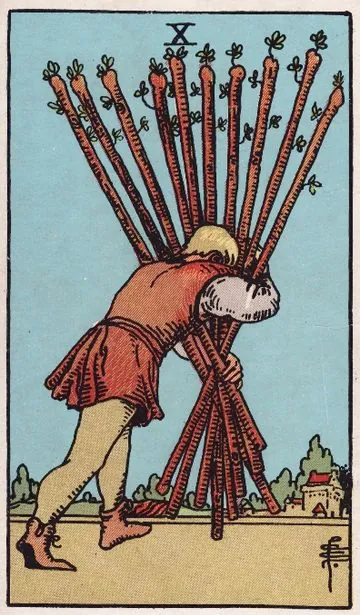 Ten of Wands
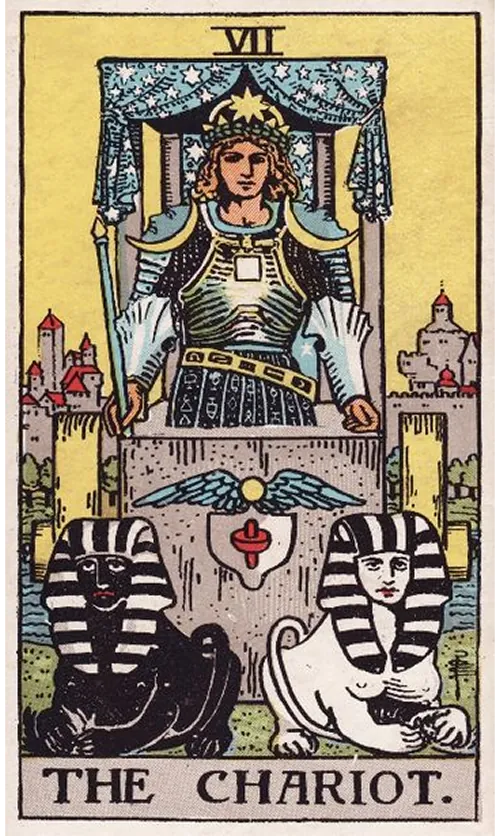 The Chariot
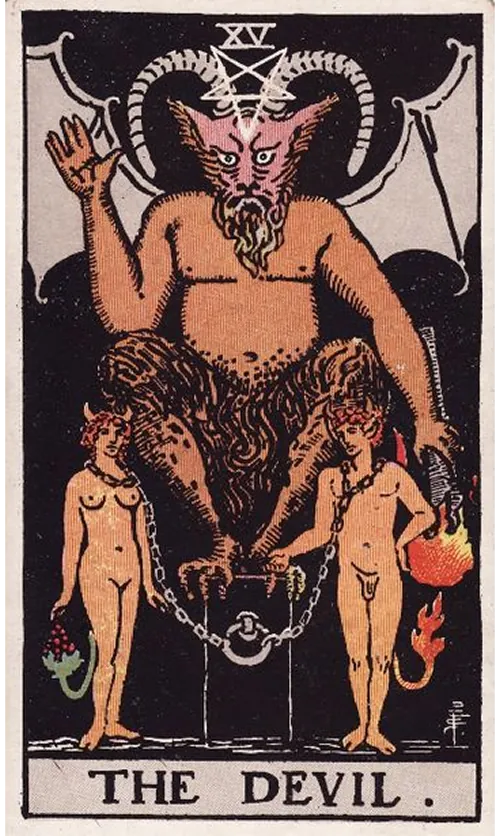 The Devil
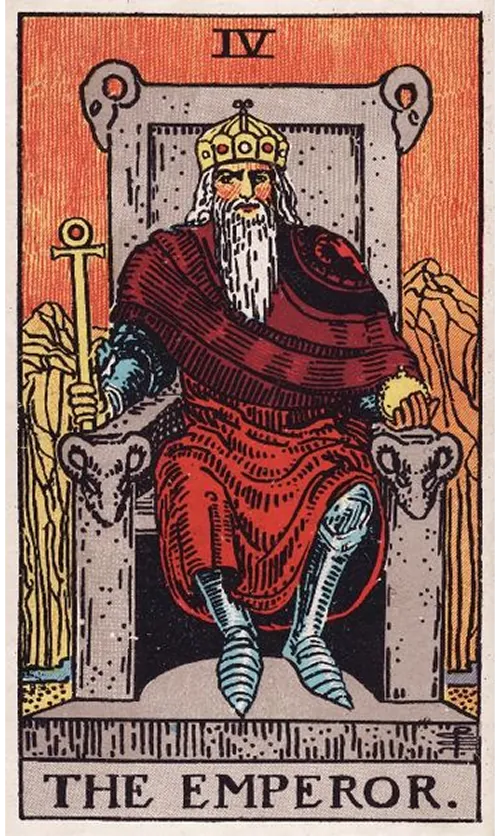 The Emperor
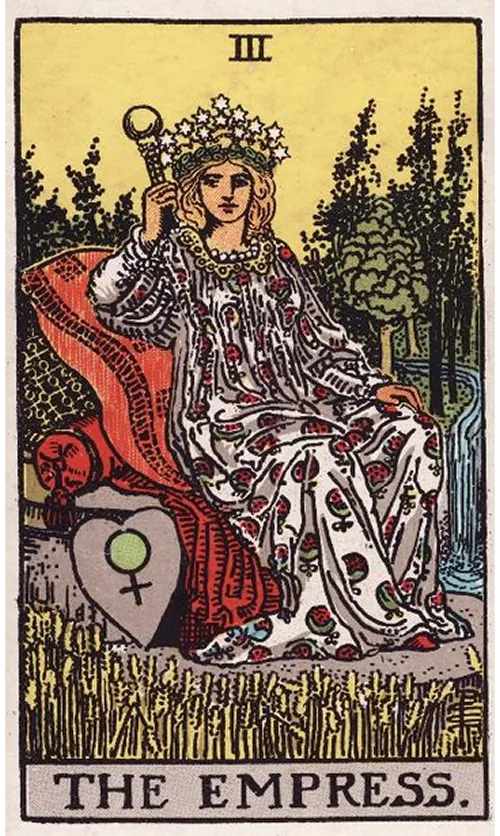 The Empress
- The Fool
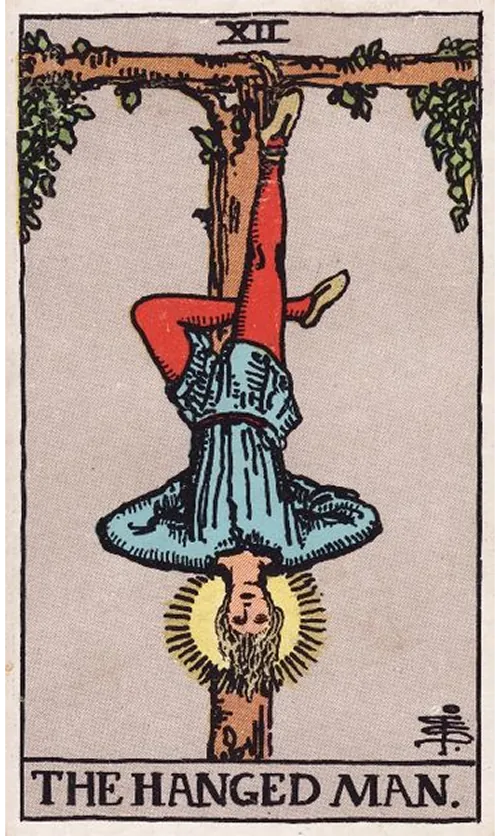 The Hanged Man
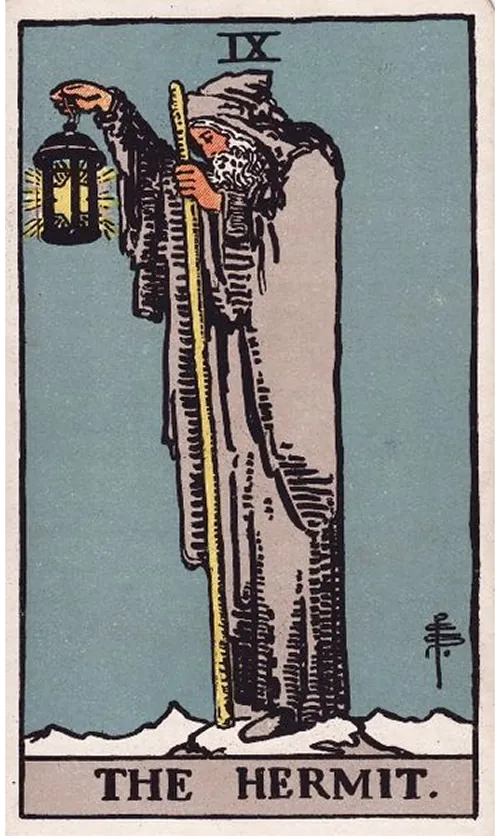 The Hermit
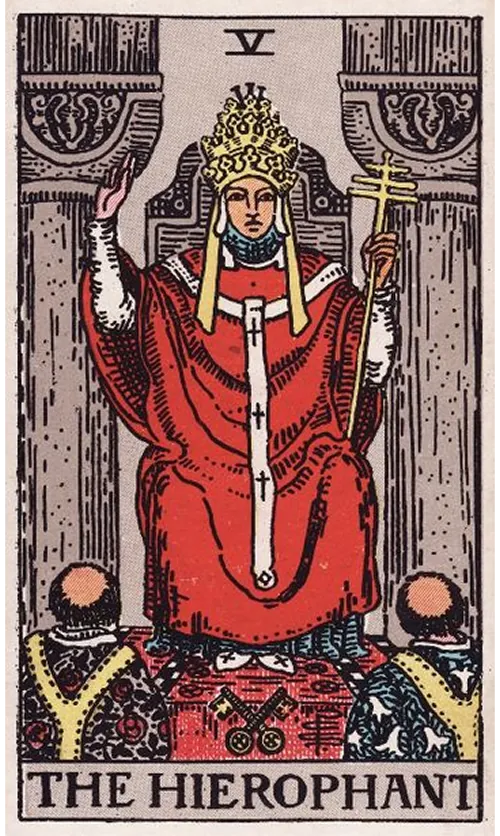 The Hierophant
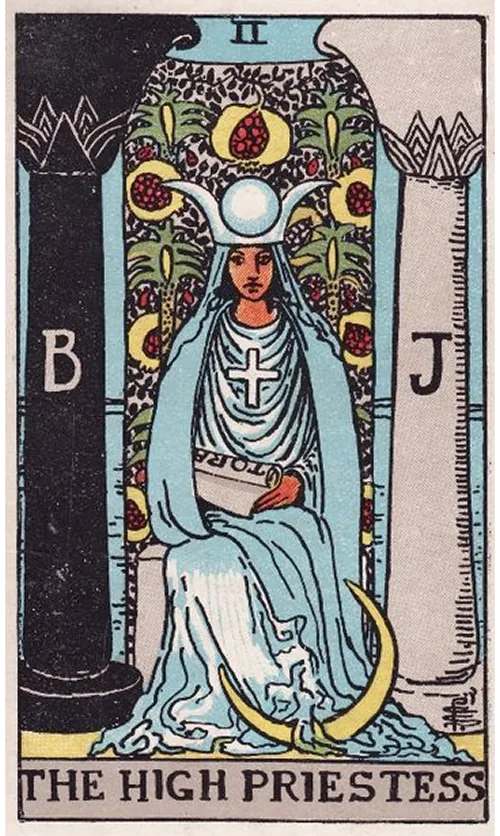 The High Priestess
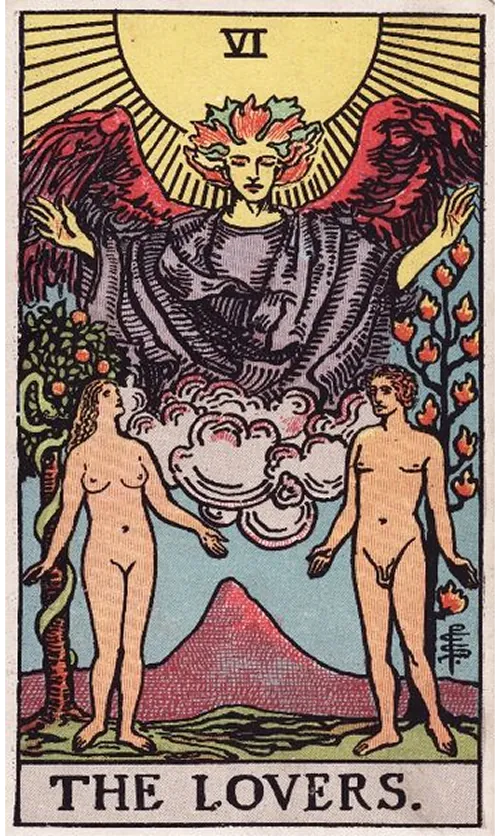 The Lovers
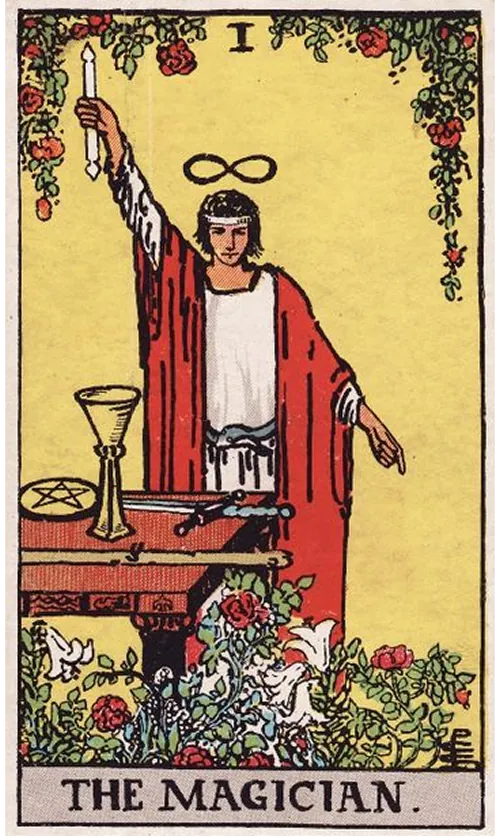 The Magician
- The Moon
- The Star
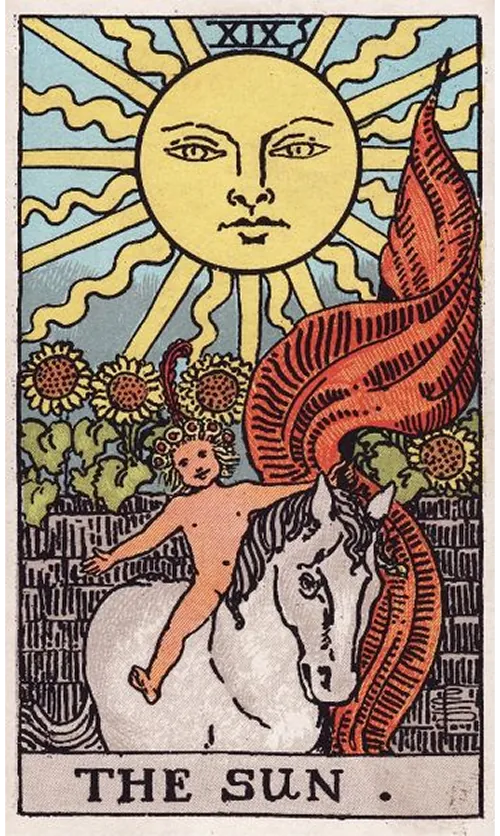 The Sun
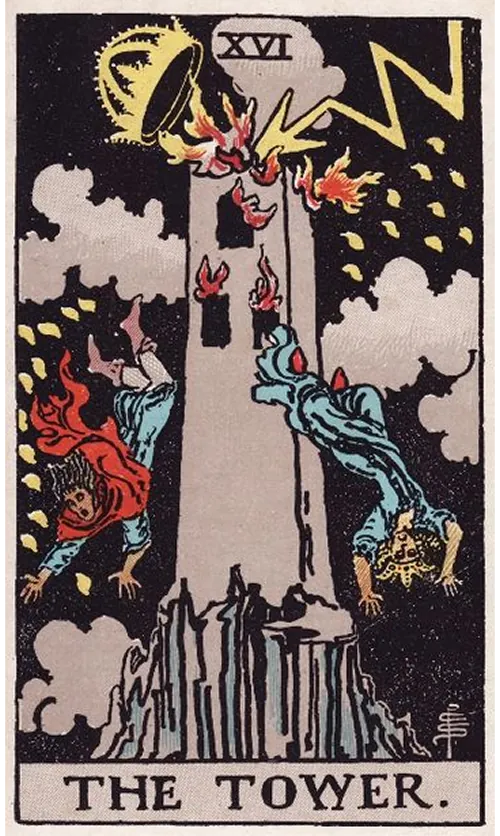 The Tower
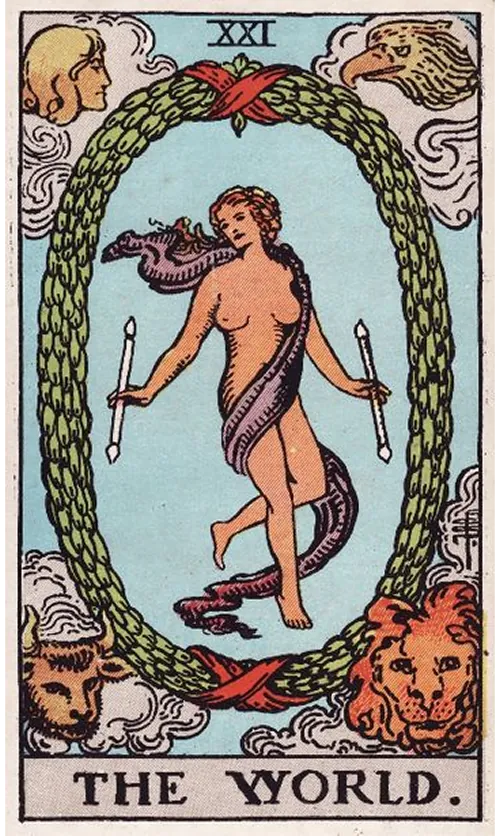 The World
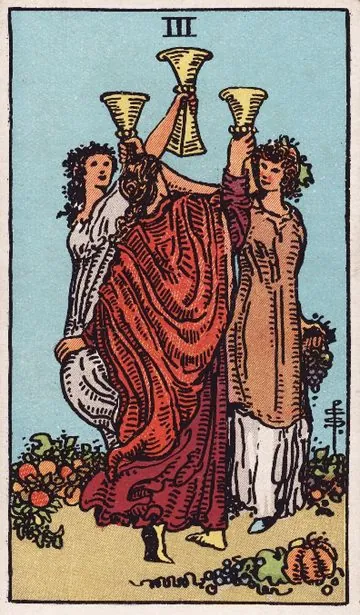 Three of Cups
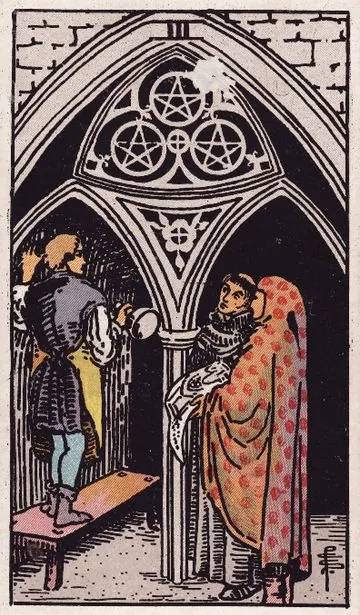 Three of Pentacles
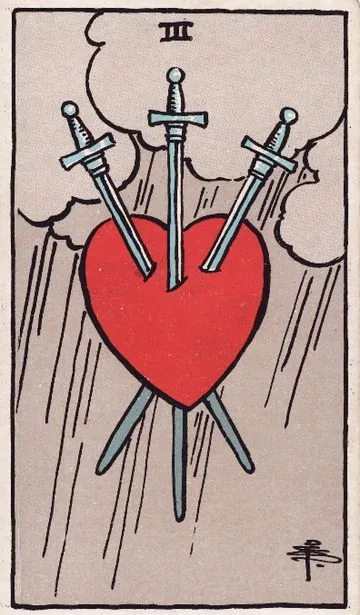 Three of Swords
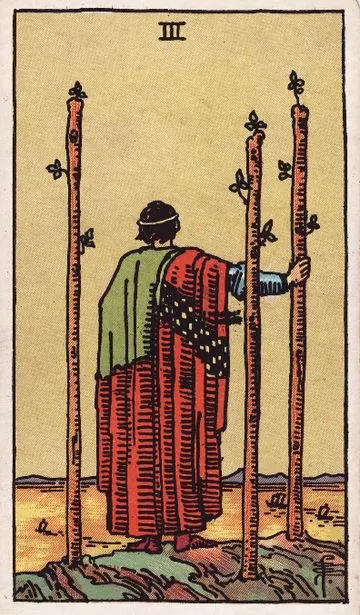 Three of Wands
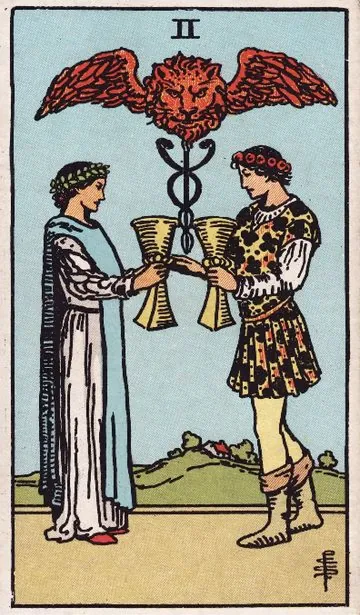 Two of Cups
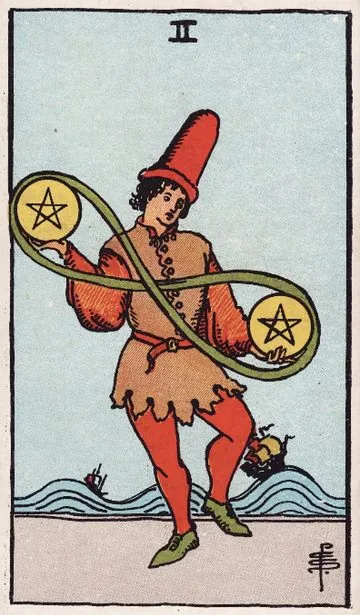 Two of Pentacles
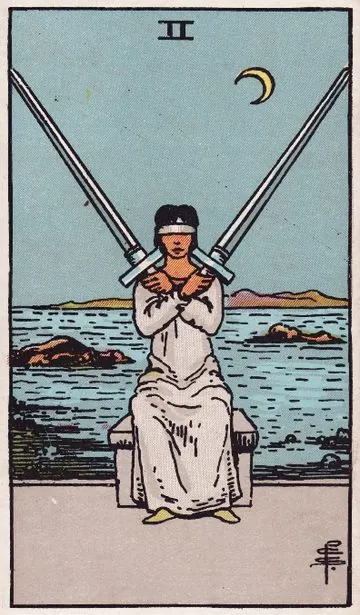 Two of Swords
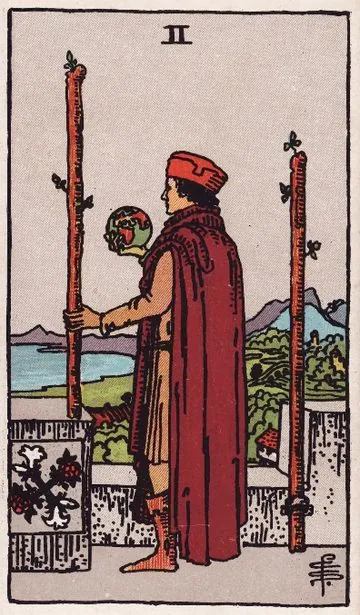 Two of Wands
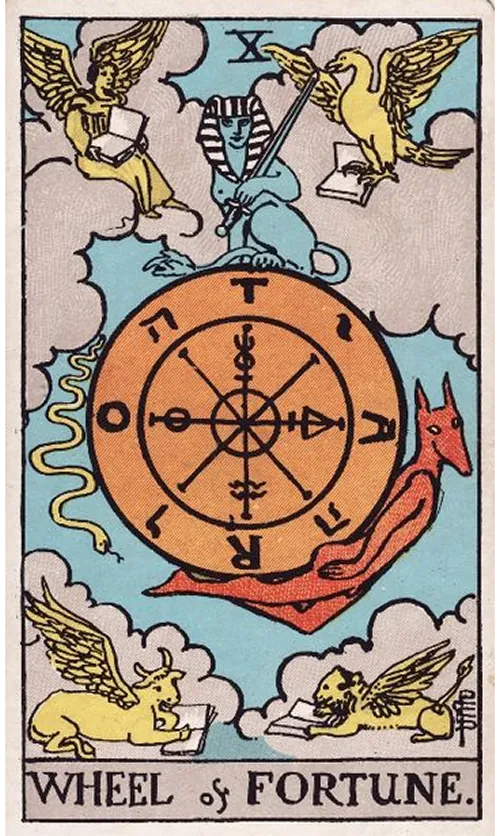 Wheel of Fortune
Before you pick a spread
A spread is not a ritual, it is the structure of a question. The positions decide which direction the same card should be read in.
One card
1 cardsA daily draw, practising meanings, or when you only want one angle to look from.
- Now
Three cards
3 cardsWhen one situation needs taking apart. The positions can be a timeline, or situation–challenge–advice.
- Past
- Present
- Future
Celtic cross
10 cardsWhen the question involves several people, a long span of time, or you can already read single cards on your own.
- Present
- Crossing
- Foundation
- Recent past
- Goal
- Near future
- Self
- Environment
- Hopes and fears
- Outcome
Five cards · Cross
5 cardsWhen you want the obstacle and the resources you already hold in the same view — two dimensions more than three cards.
- Situation
- Obstacle
- Foundation
- Resource
- Trajectory
Decision spread
6 cardsWhen you are caught between two options. Three cards each, so you can see where both roads end.
- A · Now
- A · Process
- A · Outcome
- B · Now
- B · Process
- B · Outcome
Connect the theory
Four threads, ordered the way you meet them in a single reading. Each one links to the full wiki article.
How the 78 fit together22 major arcana plus 56 minor arcana.
The major arcana describes the overall rhythm of a life stage; the minor arcana describes how it feels day to day. In a spread, majors usually point at structural questions and minors at what is happening right now.
How the 78 fit together →Upright and reversedOrientation changes how you read, not whether it is good or bad.
Reversal is commonly read three ways: the theme is blocked, it turns inward, or it loses intensity. A good number of traditions ignore reversal entirely. Decide which convention you are using before you draw — picking one afterwards just picks whichever feels convenient.
Upright and reversed →Suits and elementsWands fire, cups water, swords air, pentacles earth.
The suit answers "which area of life is this": wands for action and will, cups for feeling and relationship, swords for thought and speech, pentacles for matter and body. The same number in four different suits describes one stage in four different domains.
Suits and elements →How to drawFrom clarifying the question to reading by position.
There is no secret technique in the draw itself: state the question, choose a spread, draw at random, read by position. The part that takes practice is the last step — matching a card's description to your situation without turning the card into a verdict.
How to draw →Three-card spreadsA timeline, or situation–action–outcome.
The value of three cards is the relationship between the positions. Do not assume they are automatically past, present, future: switch them to situation–challenge–advice and the same spread answers a completely different question.
Three-card spreads →The 78-card indexBrowse by major arcana and by suit.
The full index, grouped into major arcana, wands, cups, swords, and pentacles, with every card linking to its own entry.
The 78-card index →
New to tarot? Start here.
Ask a question
Open questions carry more than yes/no. "What should I do" usually gets you further than "will it happen".
Choose a spread
Positions set the direction. One card and three cards on the same question do not give you shallow and deep answers — they give you differently shaped ones.
Draw the cards
Shuffle, draw, then note the orientation. Reversal is optional; plenty of traditions read upright only. Both are available here.
Read each card
The card first, then its position, and only then your question. Reversing that order turns a reading into confirmation of what you already think.
Bring it together
Look for repeated themes, cards that contradict each other, and whichever card surprised you. The surprising one is usually the one worth writing down.
FAQ
How many tarot cards are there?
A standard deck has 78: 22 major arcana and 56 minor arcana. The minor arcana split into four suits — wands, cups, swords, and pentacles — with 14 cards each. Some decks add one or two extra cards; that is a difference between editions, not part of the standard count.
What is the difference between upright and reversed?
A reversed card is one drawn upside down. It is commonly read in three ways: the theme is blocked, it turns inward, or it weakens. A good number of traditions read upright only. What matters is deciding which convention you use before you draw; choosing an interpretation afterwards costs the reading its consistency.
Do I need to learn the meanings before I draw?
You do not need all 78 memorised to begin. Start with the feel of the major arcana and the four suits, and look cards up as you draw. Most people learn the meanings by looking up the same card repeatedly, not by memorising the deck first.
Can I draw again for the same question?
Traditions disagree. Redrawing the same question tends to muddle the reading, because it is easy to keep only the version that matches what you hoped for. If you do want another draw, a more useful move is to change the question — usually the half you did not write down the first time is the part you actually meant.
Can tarot predict the future accurately?
There is no reliable evidence that tarot predicts specific events. A more honest description: it is a symbolic system for breaking a vague situation into a few parts you can discuss. Used as a reflection tool it is useful; used as a forecast it has no basis.
Do I need an account to use this?
No. You can draw, read the position meanings, and browse all 78 entries directly. The result exists only on the current page — nothing is uploaded and nothing is stored.
Keep exploring
Draw a card, or start from a question you have not quite worked out yet.